Siman Glacier Walk: Complete Guide from Hotel Batseri
February 9, 2026
Sangla Kanda Trek
February 24, 2026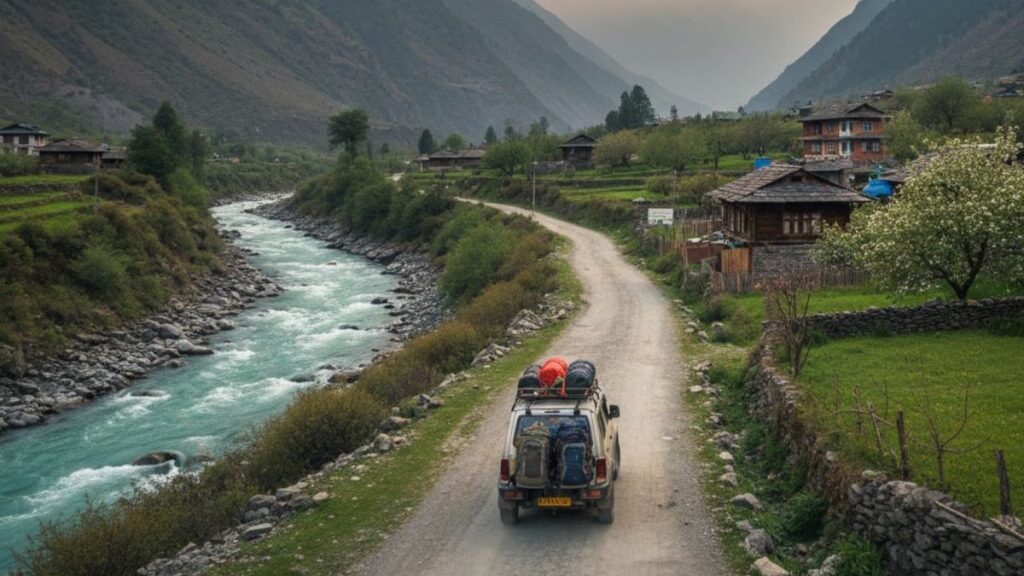
What if the road just stops? You reach the last village before the Indo-Tibetan border, snow peaks all around, the Baspa River right next to you, and after that there is only trail, quiet, and Tibet on the other side.
That village is Chitkul.
For people staying in Batseri, including guests at our place (Hotel Batseri), going to Chitkul is usually the highlight of the trip. It is the point where you feel you have reached the actual edge of where cars can go. A lot of people get emotional there – some cry quietly, some laugh, some just sit without saying anything, others finally take a deep breath after months of city life.
We have taken hundreds of guests on this route over the years. Solo travelers looking for peace, couples wanting a nice day in the mountains, families with young kids or older parents, foreigners seeing their first proper Himalayan village, people new to high mountains, and experienced trekkers who still say Chitkul feels special.
This is a practical guide based on:
- Feedback from more than 300 real guests
- What we have learned about making the day safe and comfortable
- Our own daily life running a small riverside property in Batseri
Whether this is your first trip to the mountains or your tenth, here is everything you need to get to Chitkul from Batseri safely and enjoy it properly.
Why Chitkul Feels So Different?
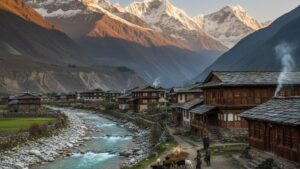
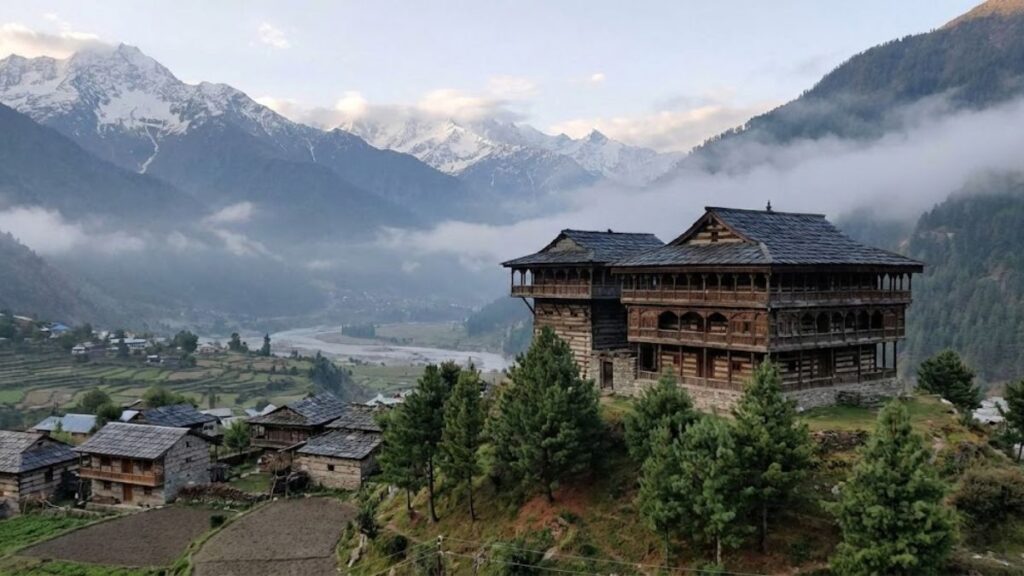
Chitkul is the last village you can reach by road before the border. Beyond it there are only walking paths toward Tibet. The Baspa River flows right beside the village, high snow peaks surround it on three sides, and the old wooden houses with slate roofs make it look like time stopped.
There are no big shops or tourist crowds. Just a few small stores selling basic things, local Kinnauri handicrafts, and tea. It stays quiet, clean, and calm.
Solo travelers often say sitting by the river in Chitkul was when they finally relaxed after months of stress. Families tell us their kids still talk about “the place where the road ends.” Older guests like the slow pace and fresh air. Foreign visitors usually call it one of the most genuine and untouched Himalayan villages they have visited.
Many people come back to the hotel and say the same thing: “I did not realize how much I needed to stand at the end of the road until I got there.”
How We Help Guests Get to Chitkul from Batseri
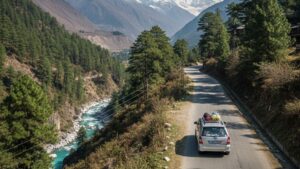
Hotel Batseri is in Batseri village, about 9 to 11 km before Chitkul. The drive takes 45 to 90 minutes one way in good conditions, depending on the road and any traffic.
We offer three main ways to do it:
Private Cab (Most Popular Choice)
We book a comfortable Innova Crysta or similar car with drivers we have known and trusted for years. In 2025-2026 the rate is usually 2800 to 3500 rupees for a same-day round trip (rates can vary with season and fuel). The driver waits in Chitkul while you look around, or he can take you quickly to the border check-post if you want. You decide the time – leave early at 7-8 am for clear morning views, or later at 9-10 am if you want to start slow.
Shared Taxi (Cheaper Option)
Shared jeeps and taxis run between Sangla and Chitkul. They leave from Sangla main market (15-20 minutes drive from Batseri). We can book your seat and arrange pickup/drop timing. Cost per person is 300 to 500 rupees one way (return same day). They usually leave Sangla between 8 and 9 am and return by 4-5 pm.
Self-Drive or Bike (Only for Experienced People)
The road is mostly paved but has narrow parts, steep climbs, and sometimes loose gravel. We give route details, current road updates, and emergency numbers. Fill fuel in Sangla (last good petrol pump). Not a good idea in winter unless you have snow chains, 4×4, and know high-altitude winter driving well.
Solo travelers and couples usually pick the private cab for comfort and flexibility. Families with older people or small kids also prefer it.
Best Time to Go to Chitkul
Best Months (Recommended)
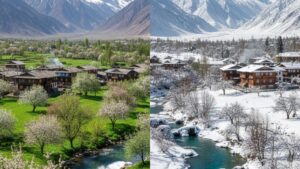
- May to June: Green valley, apple trees in bloom, daytime 15-25°C, nights 5-10°C.
- September to mid-October: Golden colors in autumn, clear skies, apple picking season, much fewer people than summer.
Still Good but Colder Months
- November to early December: Fresh cold air, light snow on peaks, very few tourists.
Beautiful but Tough Months
- Late December to February: Snow everywhere, amazing winter views. Road can get icy, slushy, or fully closed for days or weeks after snowfall. Only for people experienced in winter mountain travel with proper gear and 4×4 vehicles. Right now in late February 2026, expect heavy snow in Chitkul, frequent road blocks, and very cold temperatures (often -10°C to 4°C or lower at night). We check road conditions daily and advise accordingly – many times the road stays closed or only open for limited vehicles.
Months to Skip
- July to August: Monsoon with landslides and frequent road blocks.
- Mid-February to March (some years): Melting snow makes roads slushy and unpredictable.
Simple advice from guests: Go in September-October for peaceful weather, clear views, and fewer crowds. Go in May-June for green scenery, flowers, and easier temperatures. Avoid deep winter unless you are prepared for snow-closed roads.
Precautions and Safety Tips
Road and Weather Conditions
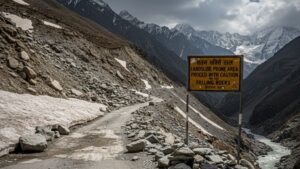
The road to Chitkul is paved most of the way but becomes narrow in several stretches. Landslides are common after rain, and in winter snow or ice can block access completely. Always ask locally the evening before travel for the latest road update, especially information from drivers and the Border Roads Organisation.
If sharp turns or height make you uncomfortable, carry motion sickness medicine. In February 2026, conditions are particularly tough, so double check before planning your visit.
Altitude and Health
Chitkul sits at about 3450 meters or 11,300 feet. Some visitors experience mild altitude symptoms such as headache, nausea, or fatigue. Drink plenty of water, walk slowly, and rest when needed.
Older travelers or anyone with heart or lung conditions should consult a doctor before visiting. Carry basic medicines such as paracetamol, prescribed Diamox, band aids, and antiseptic cream.
Phone Network and Internet
Airtel and Jio networks usually work in Chitkul, while BSNL coverage can be unreliable. Wi Fi is almost unavailable, which makes it a good place for a proper digital break.
Power cuts happen occasionally, so bringing a power bank is recommended.
Money and ATMs
The last reliable ATM is in Sangla. Carry enough cash, around 5000 to 10000 rupees for 2 to 3 days. Many small shops now accept UPI, but cash is still the safer option in remote areas.
Clothes and Essential Gear
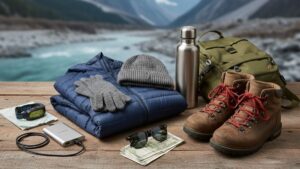
Even during summer, mornings and evenings are cold. Pack thermal layers, fleece, a windproof jacket, cap, gloves, and wool socks. Wear sturdy walking shoes because village paths and trails are rocky and dusty.
In winter, add thermal inner wear, waterproof gloves, and proper snow boots.
Tips for Solo Travelers
The area is considered very safe. Locals are friendly and often look out for visitors. If traveling alone, share your live location with someone at home for added safety.
Many solo travelers say they felt safer here than in larger cities.
For Families, Elderly, or Kids
Hiring a private cab is the most comfortable option. Avoid long or difficult walks if anyone has mobility concerns. Carry snacks, water, and necessary medicines for convenience.
For Foreign Visitors
Carry photocopies of your passport, as the border check post may request identification. No Inner Line Permit is required for Chitkul as of 2025 to 2026.
Locals are welcoming and curious, and basic English communication works well.
Things to Bring (for Solo, Couples, Families)
Everyone Should Have
- Power bank (10000 mAh or more)
- Reusable water bottle (spring water on the route is good)
- Sunglasses, lip balm, sunscreen (strong UV even in winter)
- Basic medicines: paracetamol, motion-sickness pills, personal prescriptions
- Cash: 5000 to 10000 rupees plus UPI apps
- Warm layers: fleece, windproof jacket, cap, gloves
- Sturdy walking shoes
Extras for Solo Travelers
- Small daypack
- Journal or Kindle (plenty of quiet time)
- Headlamp or small torch (for power cuts)
- Charger with multiple ports
Extras for Families or Elderly
- Extra blankets or shawls
- Snacks for kids or older people
- Walking stick if needed
- Extra medicines plus ORS packets
Winter Extras (December to February)
- Thermal inner wear
- Wool socks
- Waterproof gloves
- Snow boots if heavy snow is expected
How to Plan Your Day Depending on Who You Are?
Solo Traveler (Most Common at Our Hotel)
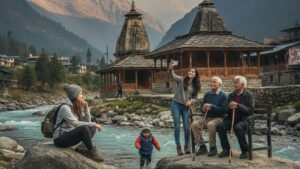
Leave at 8 am in a private cab. Spend 3-4 hours in Chitkul: visit the temple, walk by the river, go to the border viewpoint. Sit alone by the river for an hour – many say this is their favorite part. Back by 4-5 pm, then relax at the hotel bonfire.
Couple
Leave 8:30-9 am. Take photos at the red-roof temple. Have a simple lunch by the river (we can pack one if you ask). Go slow, enjoy the views together. Return by sunset for the bonfire.
Family with Small Children
Leave at 8 am. Stop for quick photos. Spend 2-2.5 hours in Chitkul (temple and easy river walk). Avoid long or steep paths. Bring snacks, water, small toys or games. Back early by 3-4 pm.
Elderly Travelers
Leave 8-9 am. Take private cab with stops to rest. Do only short, flat walks. Sit by the river or near the temple. Return early afternoon. Bring all medicines, warm clothes, walking stick.
Foreign Travelers
Same plan as solo or couple, but carry passport copies. Locals are friendly. Ask the driver or our staff about the border viewpoint. Take lots of photos – Chitkul is very photogenic.
Winter Travelers (December-February)
Check road status with us the night before – in February 2026 it is often closed or requires 4×4. Dress in many layers. Bring extra blankets in the cab. Keep time in Chitkul shorter (snow makes walking slower). Enjoy the snow-covered village if the road is open.
What to Do in Chitkul?
| Activity | Description | Time Needed |
|---|---|---|
| Nag Temple | The old wooden temple at the end of the village has a calm, strong feeling. Many people spend 20–30 minutes sitting quietly there. | 20–30 minutes |
| Riverside Walk and Border Viewpoint | Follow the trail along the Baspa River toward the Indo-Tibetan check-post (stop at the post, do not cross). The view of peaks, river, and village is one of the best in Kinnaur. | 45–90 minutes |
| Walk Through the Village | Go through narrow lanes with wooden houses, slate roofs, and drying chilies. Locals are friendly and sometimes offer tea or show you inside. | Flexible |
| Sit by the River | Find a rock or log, sit, and just listen to the water. Many solo visitors say this was the best part, no plan, just being there. | Flexible |
| Photography | The red-roof temple with the river and peaks behind it looks great in early morning or late afternoon light. | Best at sunrise or sunset |
| Local Food and Tea | Stop at a small dhaba for thukpa, momos, or butter tea. Hot and simple after the cold air. | 30–45 minutes |
What Real Guests Have Said
“I came alone thinking I would just look at the village. I sat by the river for three hours and cried – not sad, just letting go. I did not know I needed that.” – Solo woman, 34, September 2025
“My parents are in their late 60s. We took a private cab, went slow, sat by the river for an hour. My father said it was the most peaceful day he can remember.” – Family of three, December 2025
“I have traveled solo in many countries. Chitkul felt different. Safe, quiet, and somehow healing.” – International solo traveler, 42, October 2025
Chitkul is not just another place to check off. It is about reaching the end of the road, seeing snow peaks, hearing the river, and feeling – maybe for the first time in a while – that you are right where you should be.
If you feel that small urge to go, trust it. The valley often gives you what you did not even know you needed when you figure out How to Visit India’s Last Village Chitkul from Batseri.
We will be here at the end of the road in Batseri. See you soon.